Ricoh GR IV - First Impressions
Ricoh GR IV: First Impressions From A Fuji User - YOUTUBE VIDEO HERE.
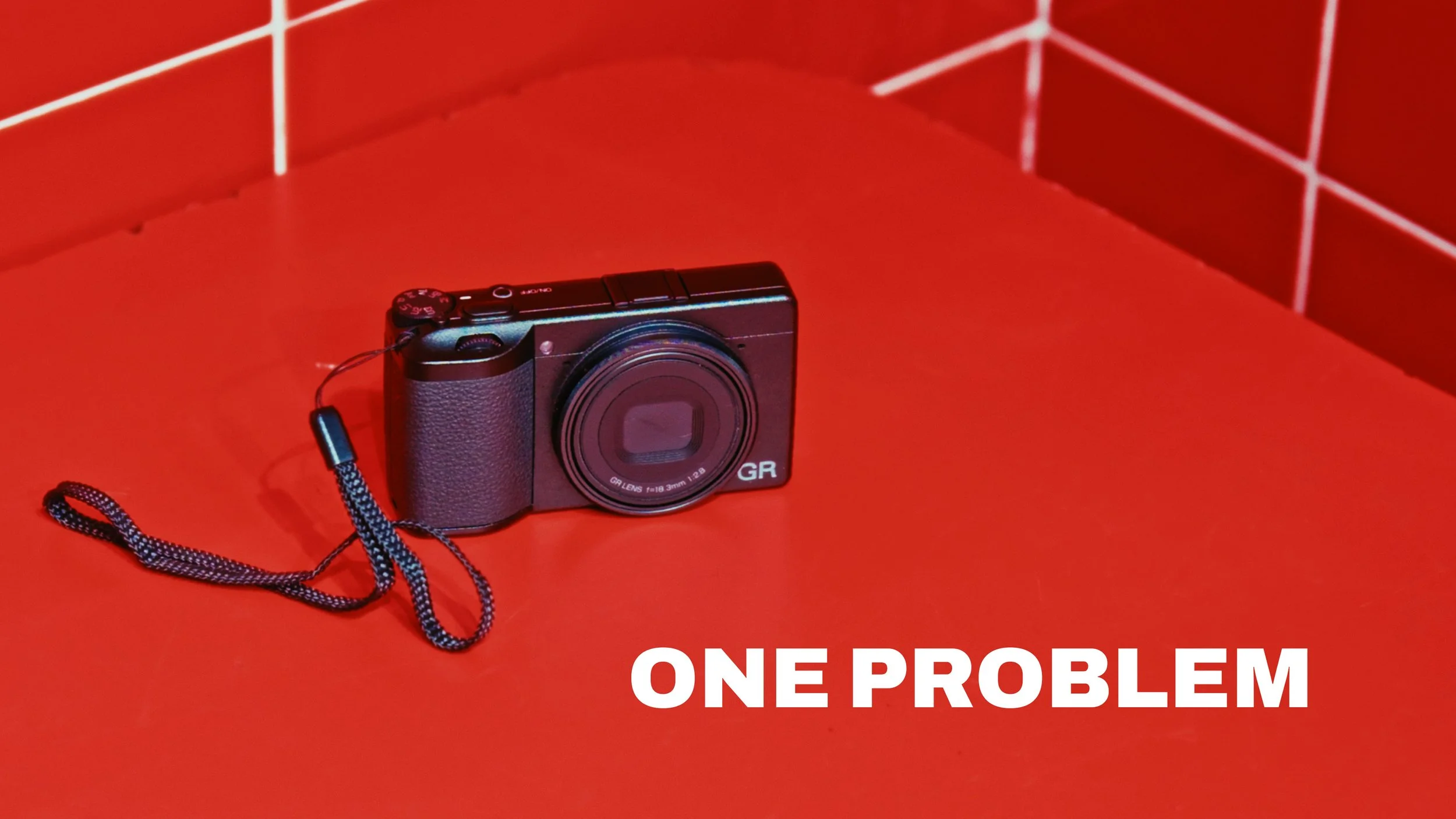
This post contains affiliate links. If you make a purchase through these links, I may earn a small commission at no additional cost to you.I preordered this camera about five minutes after the presale went live on B&H, and my shipment ended up being one of the earlier batches. Because of that, I have actually had this camera for a good amount of time now, and I have been taking it out as often as possible to really get a feel for it.
I bought this camera because I was looking for a true point and shoot solution.
For a little background, I shoot a lot of travel, landscape, and street photography that I share on this channel and on my website. Up until this year, I have mostly been shooting on Fujifilm cameras.
Back in the spring, I borrowed my friend Faizal’s Ricoh GR III. At the time, I was actively searching for a simple one camera, one lens solution for street photography, and I thought the Ricoh system might offer that for me.
While I liked the GR III, there were certain situations where I felt it fell short. Specifically, night photography. I found that the files struggled and fell apart at higher ISOs, and the autofocus often hunted heavily in low light, which got frustrating.
Because of that, I was excited to see that the Ricoh team planned to make improvements in those exact areas with the GR IV. With updates to the lens, the sensor, and new additions like IBIS, my hope was that low light performance would see a real improvement.
Fast forward to this summer, I got to see the Ricoh GR IV firsthand at an event before release. Once I got my hands on it, I was hooked enough to preorder it and try it for myself.
Since getting my copy in October, I have spent a lot of time using it. I have been figuring out how I want to set it up so it fits into my workflow seamlessly, and also trying to decide whether the concerns I had with the GR III were actually addressed in this upgrade.
Ultimately, I wanted to know if this camera is the right fit for me.
In this post, I want to go over my thoughts on the Ricoh GR IV and talk about whether I see it fitting into my street photography long term. To start, let’s talk about the design and feel of the camera.
Design and Feel of the Camera
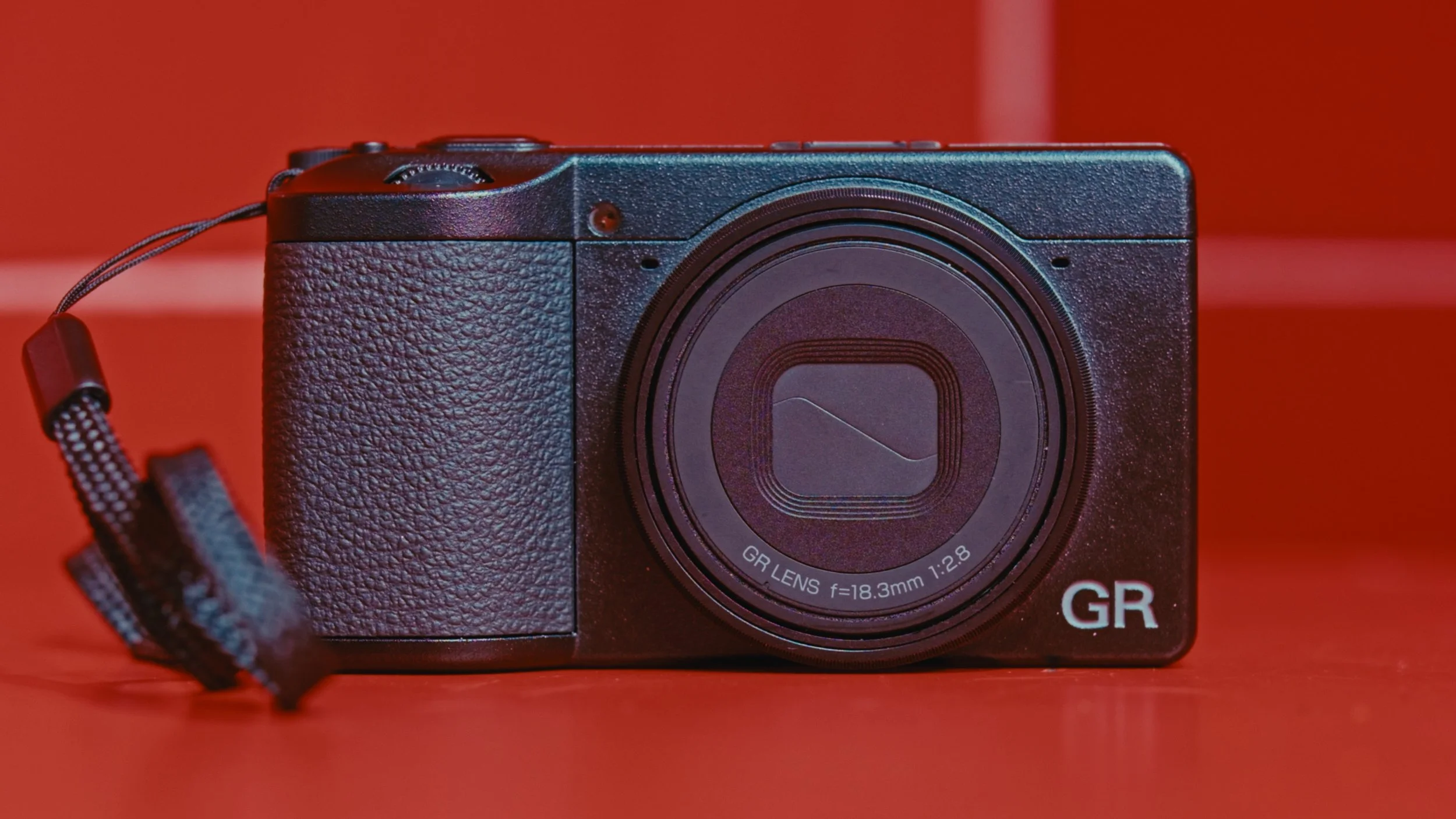
Since I had a few months with the GR III and really got to know my way around that camera, I was glad to see that the layout, sizing, and general design of the GR IV is nearly identical.
Overall, I love the way this camera feels. You can tell the body is plastic, but not in a way that makes it feel cheap or toy-like. Its very well built. All of the buttons and dials press smoothly and feel secure in their place.
Although its almost the same as the GR III, there are a couple notable changes made.

The Ricoh GR IV replaces the spin wheel on the back with a regular directional pad.
The most obvious change is that they replaced the spin wheel on the back with a regular directional pad and brought back the plus-minus button. This button can be used for exposure compensation or programmed to do something else entirely.
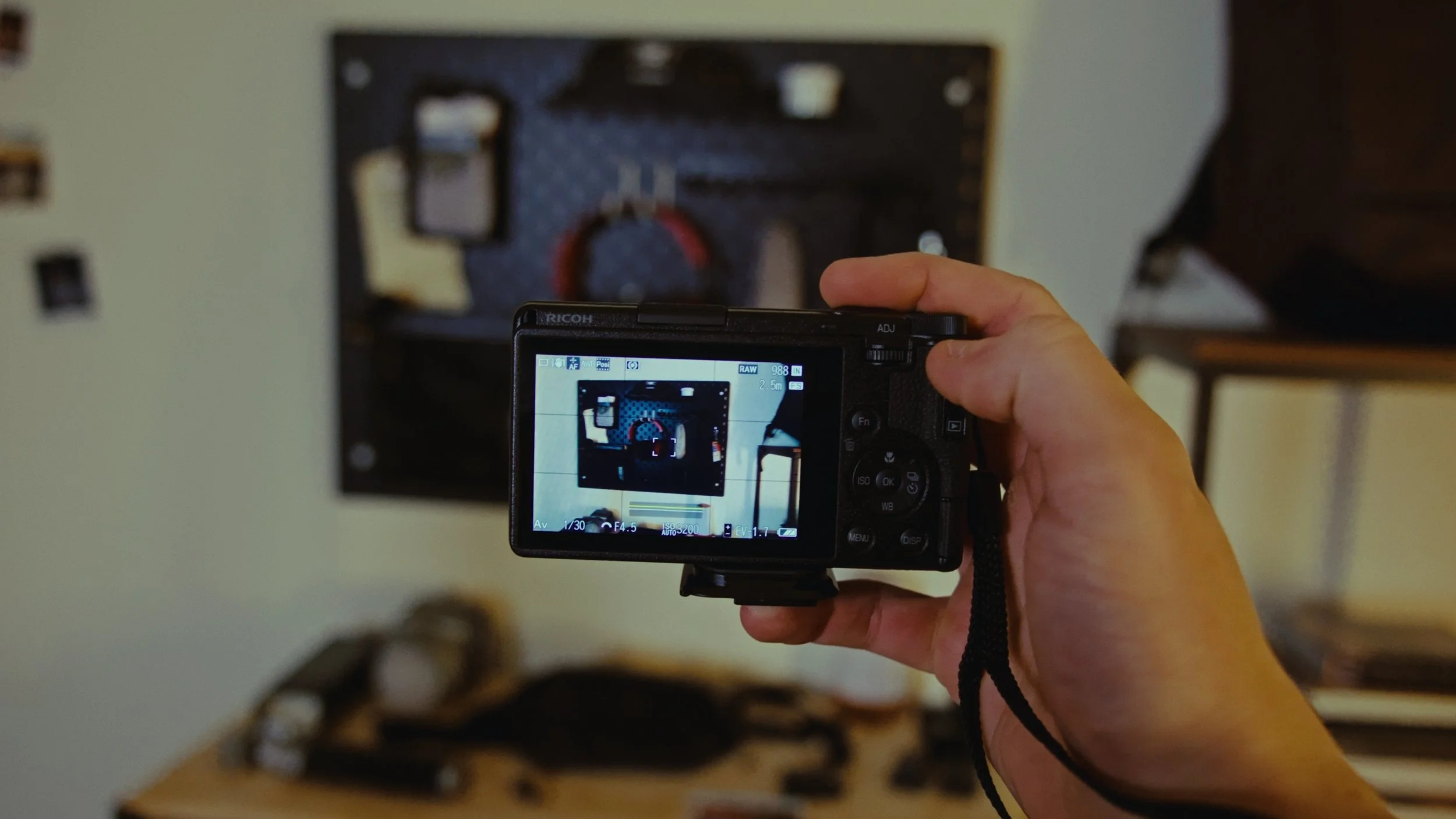
They added a new plus-minus button to the back of the GR IV.
I did not mind the spin wheel on the GR III, but if I had to choose, I definitely prefer the plus-minus button. I have mine set up to adjust exposure compensation or ISO depending on the situation.
The camera is also technically slightly smaller and lighter. For most people, that is always a good thing, although I did not personally notice much of a difference since the changes are minimal.
Other changes include switching from SD cards to microSD cards and increasing the internal storage significantly. This makes it possible to shoot a lot of photos even if you accidentally forget a microSD card on your way out the door.
They also upgraded the battery, which made a noticeable difference in my experience. That said, I would still recommend picking up an extra battery or two, because I have easily gone through two or even three batteries in a longer shooting session.
No Weather Sealing
For a camera at this price point, I am a little disappointed that Ricoh did not include weather sealing. It makes me anxious to take it out in bad weather like rain or snow, which I actually love shooting in when I can.
That part is a bit of a bummer. Aside from that, I really love how this camera feels in hand, and across the entire body it does feel well built.
Image Quality (click images to expand)
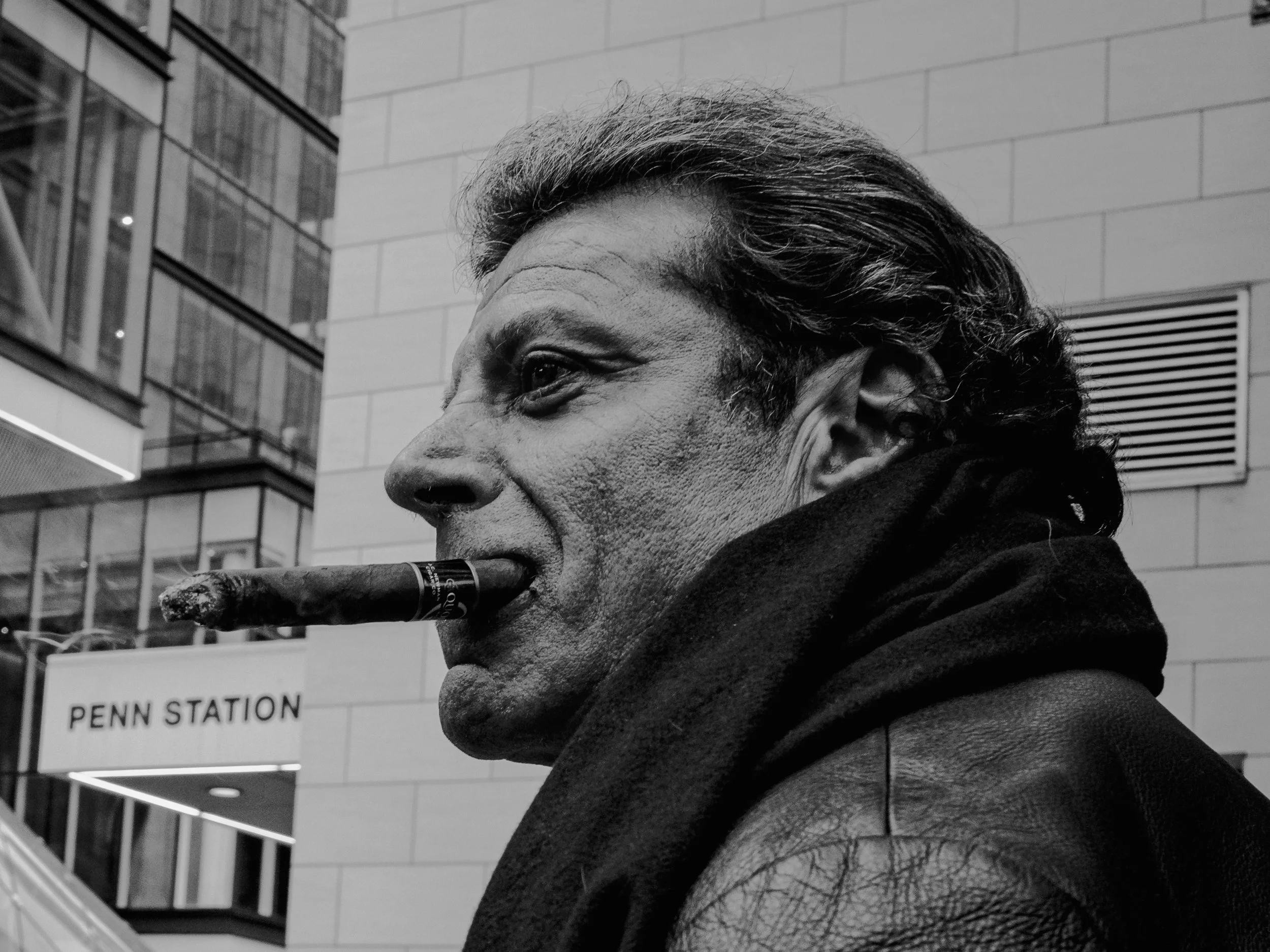
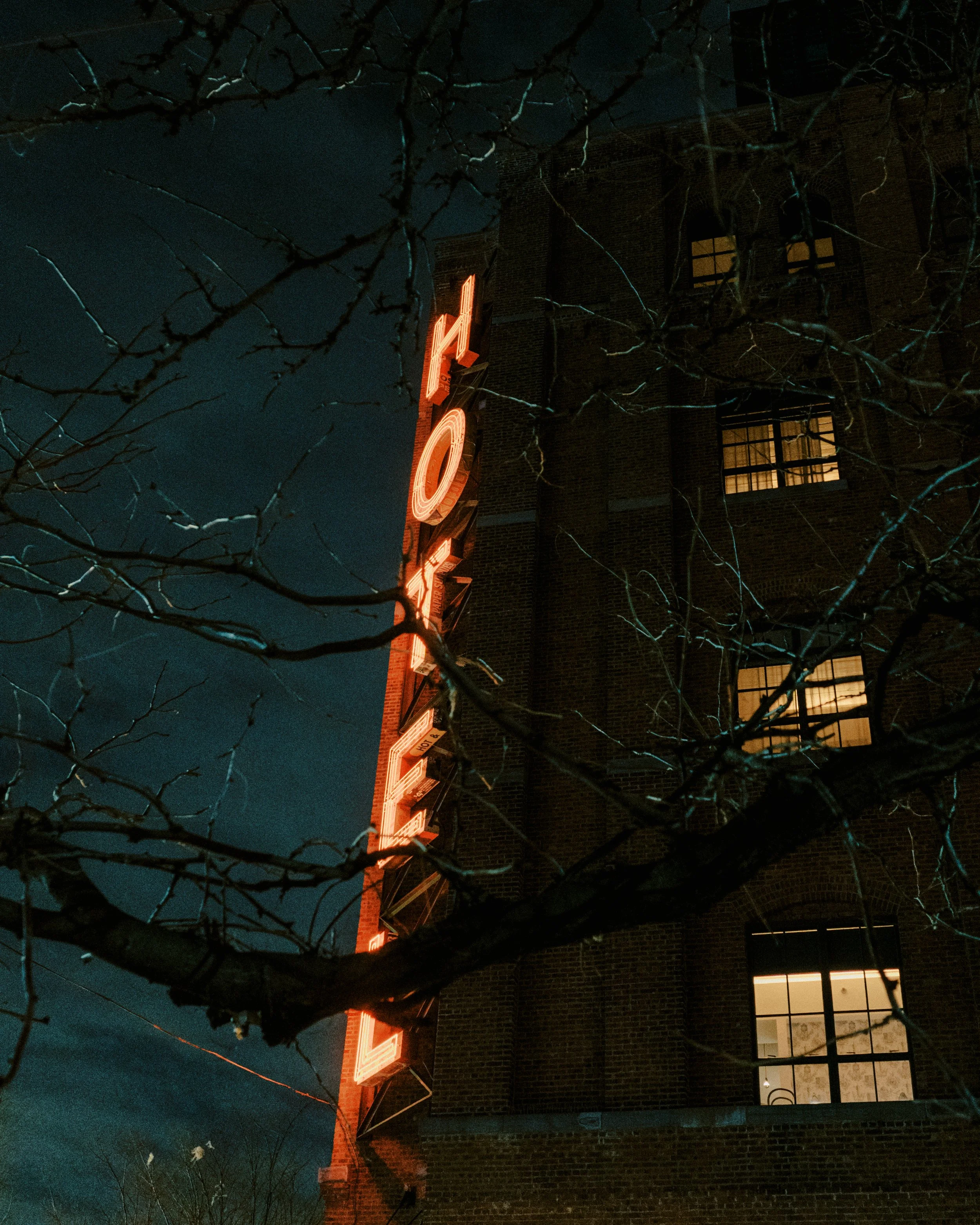
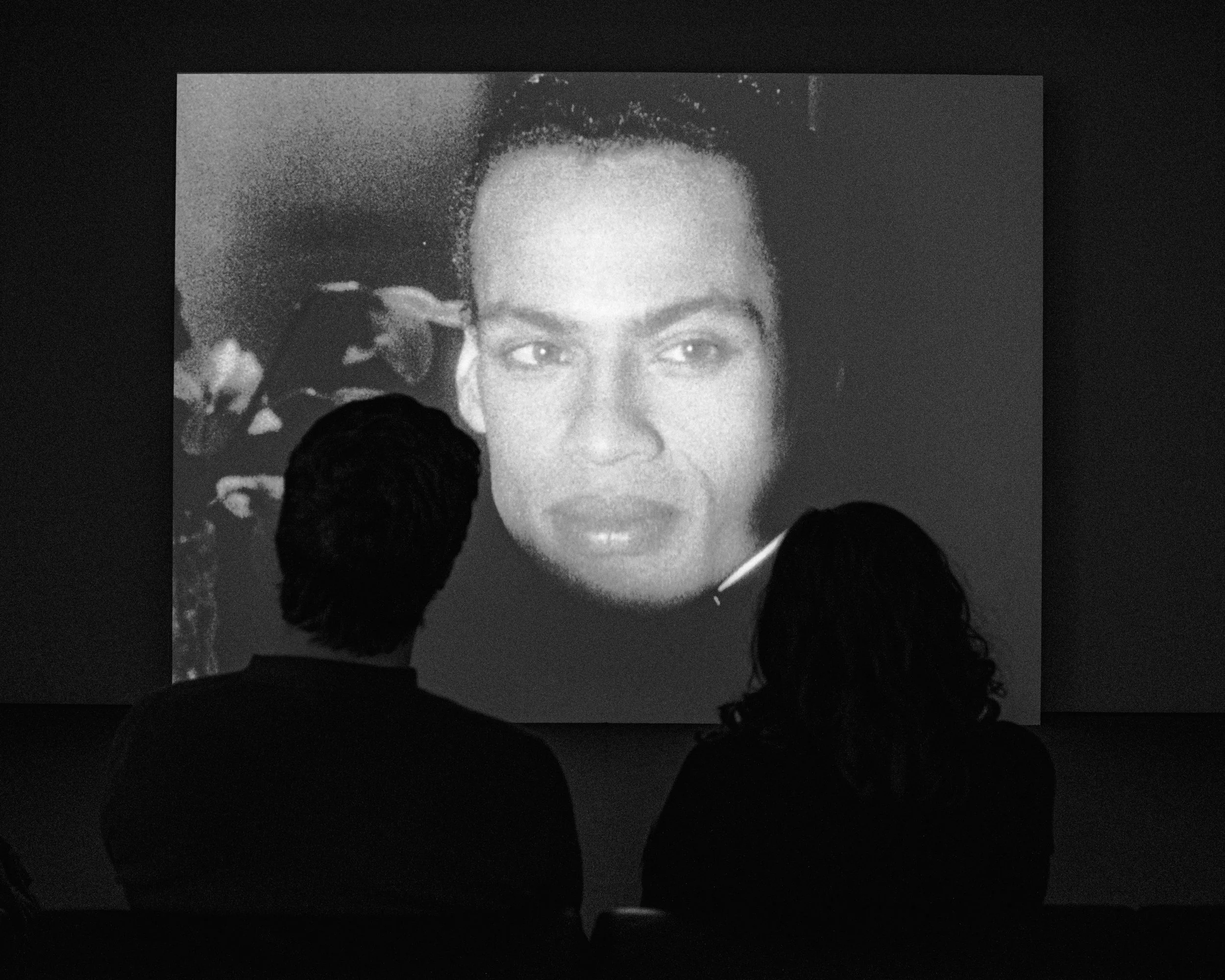
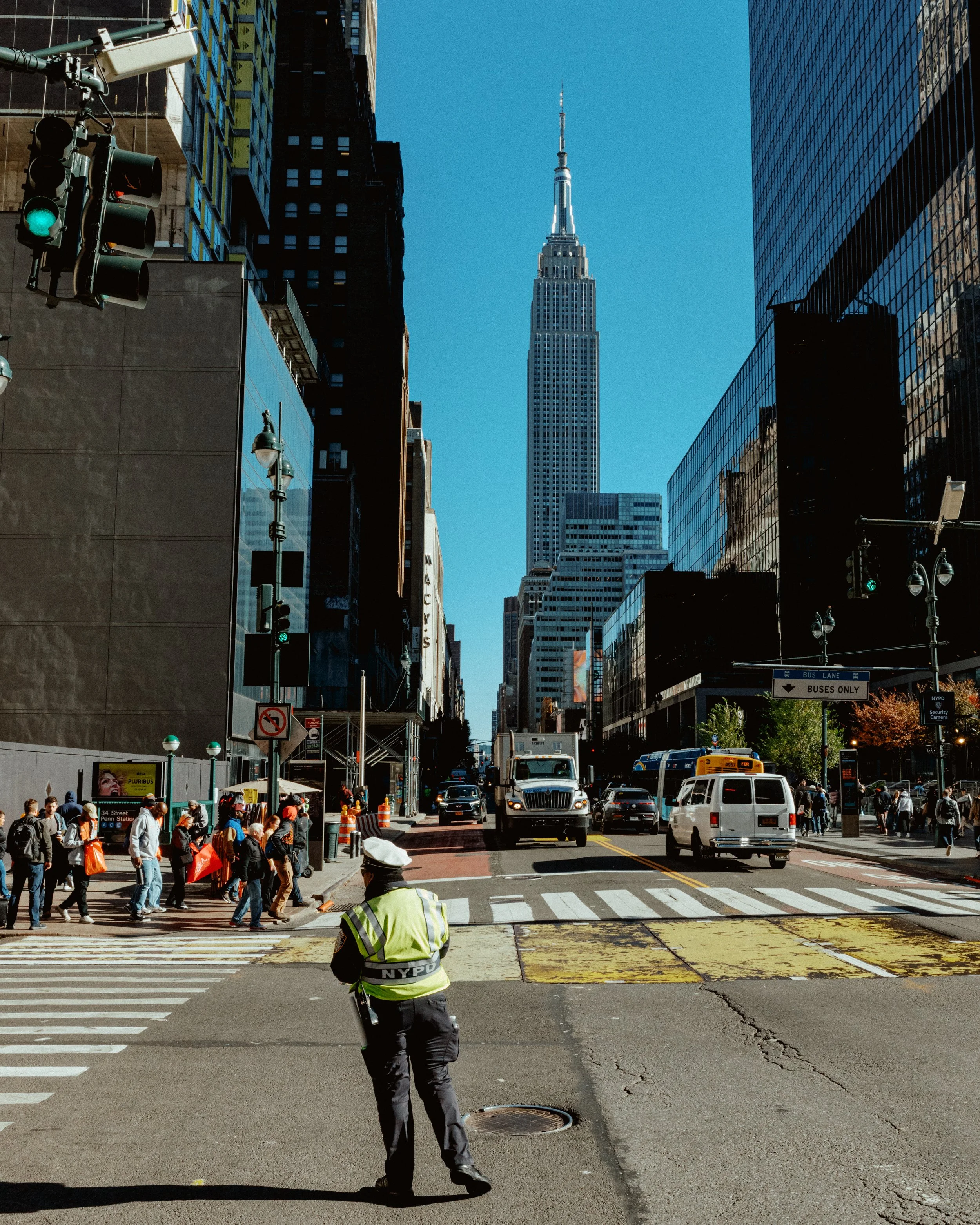
When it comes to image quality, I care a lot less about lens sharpness or how much resolution a camera has. As someone who edits photos pretty heavily, what I really care about is file flexibility. How well does the camera handle high dynamic range scenes with a lot of contrast?
Can I push the files to get the look I want? That is always my main question when testing a new camera.
That said, Ricoh did make several improvements that affect image quality and are worth talking about.
Image Quality Upgrades (Compared to the GR III)
The GR IV features an updated lens with a new element and a new coating designed to help avoid dust sticking to the lens. They also slightly reduced the size of the lens barrel, making the camera even smaller when powered on.
Internally, Ricoh bumped the sensor up to 25.47 megapixels, a slight increase from the GR III’s 24 megapixels. They also added IBIS, which helps significantly with slower shutter speeds and low light shooting.
How good are the files?
I was genuinely impressed.
Even in contrast-heavy, punchy scenes, I was able to bring back a lot of detail in both the shadows and highlights. I also really enjoyed how color rendered across these images.
In good lighting, I have zero concerns about how the files from this camera hold up.
Low Light Image Quality
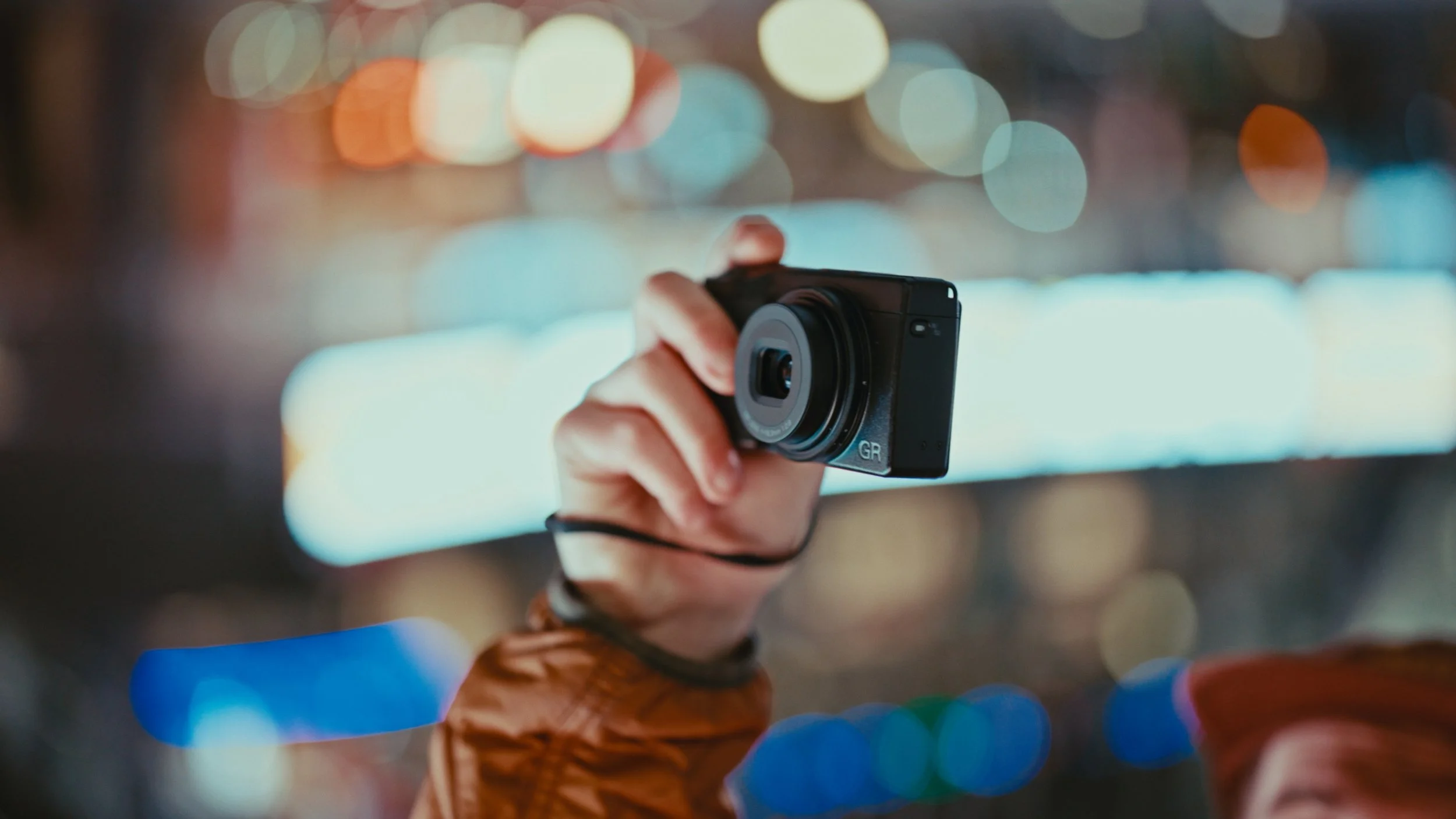
Where things get more interesting is low light.
With the GR III, I found that files would start falling apart in the editing process at ISOs as low as around 2000. With the GR IV, I have felt comfortable shooting at ISO 3200 and above, sometimes even as high as 6400, and still getting images I like.
Of course, if you push these high ISO files really hard in editing, you can still run into issues like heavy noise or color bleeding. But if you do not edit aggressively, or if you shoot JPEGs using Ricoh’s built-in looks, I would be surprised if you could not get usable results up to ISO 6400.
One thing I should mention is that I really like the look of the noise on this camera. I have said the same thing about older Fuji models like the X-T3. Some digital sensors have a certain charm when noise is introduced, where it feels closer to grain than a flaw. I feel the same way about the GR IV. The noise has character, and I actually enjoy it.
Autofocus and Snap Focus
In good lighting, the autofocus on the GR IV performs very well. It is snappy, locks on quickly, and nails focus most of the time.
What I was more curious about was low light performance.
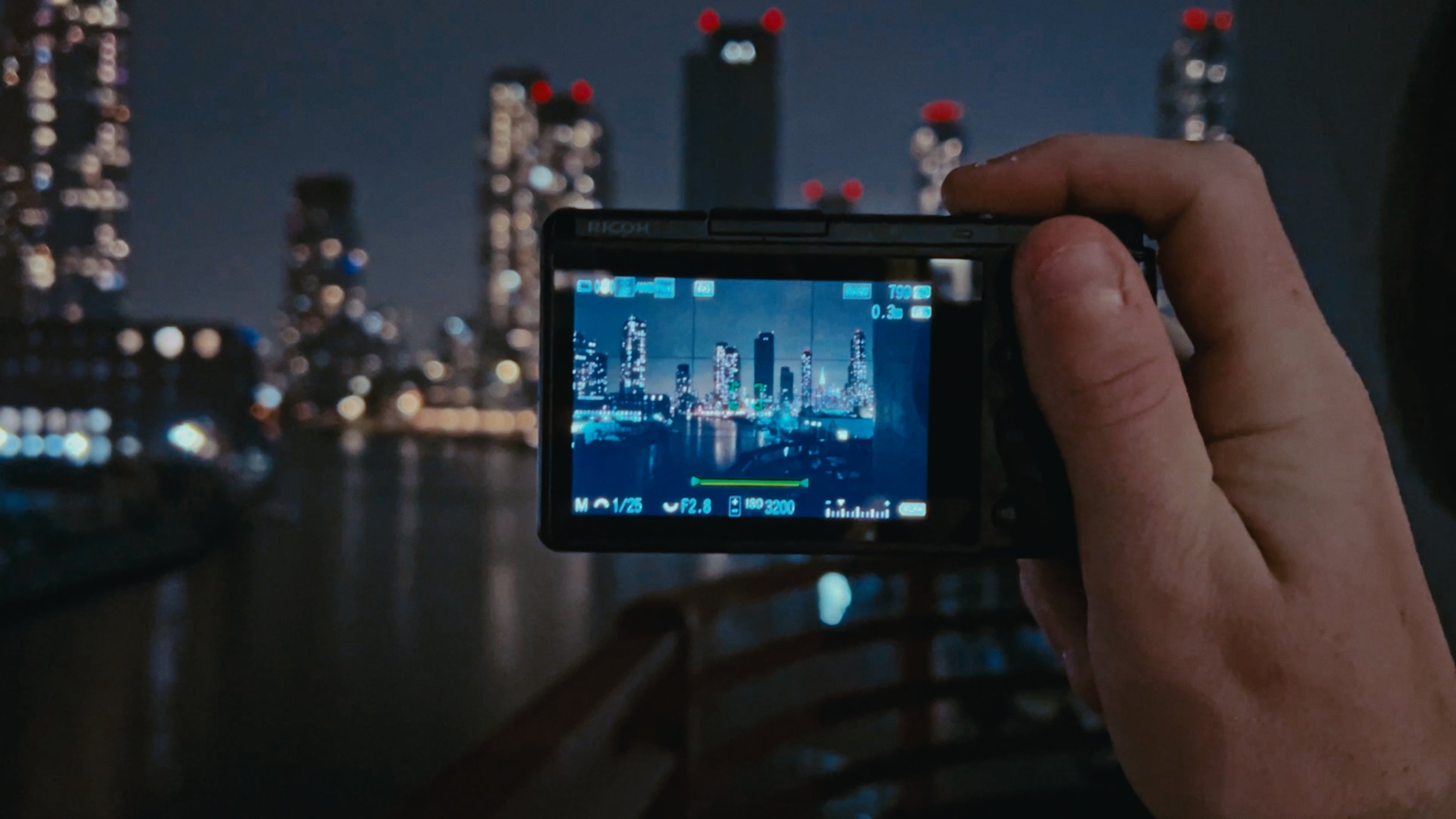
Compared to my experience with the GR III, autofocus on the GR IV is definitely improved. It still hunts sometimes, I still miss focus occasionally, and it can still lock onto unintended subjects. But the difference was noticeable immediately.
That said, I would not buy this camera solely for its autofocus. Compared to other systems, it is not class-leading. But for a camera this small, with this form factor, I really cannot complain too much.
Snap Focus
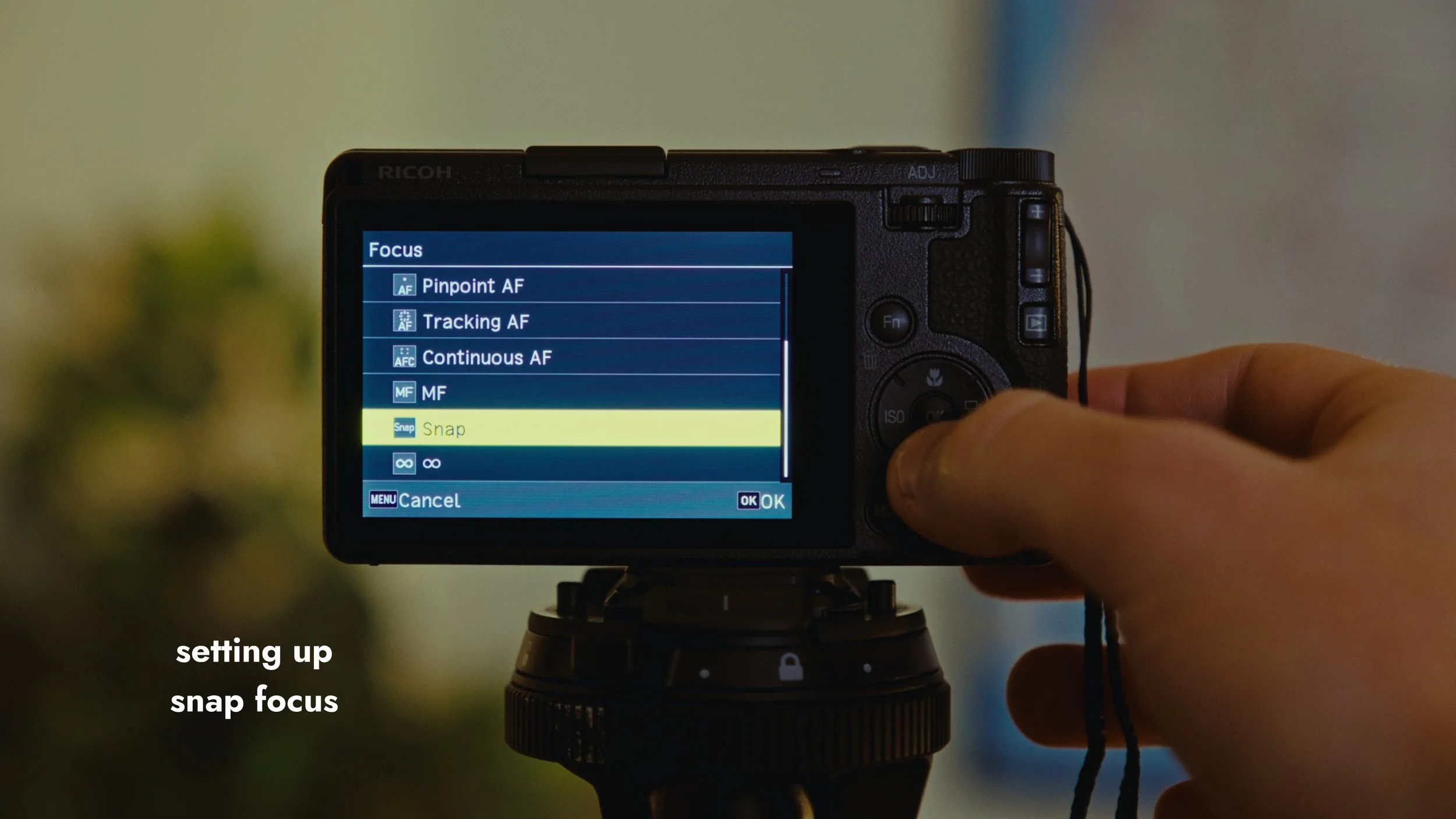
Snap focus is one of the most popular features of the Ricoh GR system, and I was skeptical of it at first as someone who relies heavily on autofocus with my other cameras.
After using it for a while, I have become pretty attached to it.
In daylight, when I can shoot at apertures like f8, I will often set snap focus to around two meters and forget about it. When I press the shutter, there is no delay. The camera does not need to focus. It just takes the photo instantly at that set distance.
This is easily one of my favorite features on the camera.
I also programmed the function button to pull up the snap focus distance menu, making it quick and easy to switch distances depending on what I am shooting. This is especially helpful when going from wider city scenes to crowded areas with closer subjects.
I made a full video walking through how I have this camera set up, including how I programmed the function button and other changes that make using the GR IV more seamless. You can find that video linked in the description.
How the Ricoh GR IV Changed My Approach to Street Photography
I think with any camera, your approach to photography can change slightly or dramatically depending on how new or different it is to you.
This camera made me shoot very differently than my usual setups.
I found myself becoming much more reactionary. I do not spend a lot of time at scenes composing. I tend to shoot and move on.
This can be a good thing and a bad thing.
On one hand, I am not wasting time overthinking compositions or letting nerves get in the way of taking the shot I want. There is something freeing about a camera this small.
On the other hand, I have definitely walked away from some really great scenes with pretty mediocre photos because I did not put in the extra effort to explore additional compositions. I am not sure I love being this reactionary, although it is something I could potentially change over time.
The subject matter and overall vibe of the images I make with this camera also feel completely different from what I normally seek out.
I have been focusing more on texture, deeper contrast, and embracing a grungier aesthetic. That preference has carried into my editing as well, where I find myself pushing contrast and texture even further.
Using this camera feels faster on the street and a bit mindless at times, but also very experimental, which I think can be a good thing. My concern is whether this work fits cohesively with the rest of what I shoot.
A lot of this comes down to a disconnect I have with the camera.
I shoot a lot of Fujifilm cameras, and I strongly prefer using a viewfinder. I feel more connected to the process, more immersed in the scene, and more confident in my framing when shooting through one.
I think that is just how my photography brain is wired at this point.
The lack of a viewfinder has been the biggest challenge in getting comfortable with the GR IV. Even though I am getting used to it, when I look at the work I have made with this camera, it feels punchier, grungier, and more reactionary than my usual work.
If I am being honest, I am not sure I am fully happy with that, or whether I will be able to bring it to a place where it feels cohesive with the rest of my portfolio.
This could simply be a time-under-tension issue. Maybe I just need a few more months to really lock in my approach with this camera.
We will see.
Price
Across the board, I think the Ricoh GR IV is a great camera. It just has one major issue… the price.
At $1500 plus tax, it feels overpriced.
You can blame tariffs or inflation, but even considering those factors, I still struggle to justify that price point for something like this. The GR III retailed at what… 1000? Something around there. For this, I could see maybe 1200 or so.
Maybe if it offered weather sealing, or came with additional accessories like a flash, a lens adapter, or extra batteries, it would be easier to justify.
At $1500, you get the camera and one battery. No charger, no extras.
Even though improvements like IBIS, battery life, and overall performance are great, the GR IV is still very similar to the GR III, but nearly double the price.
Because of that, it might make more sense for me to buy the GR III, and use the left over money to get accessories for it, such as a viewfinder, lens adapters, extra batteries, etc.
Final Verdict
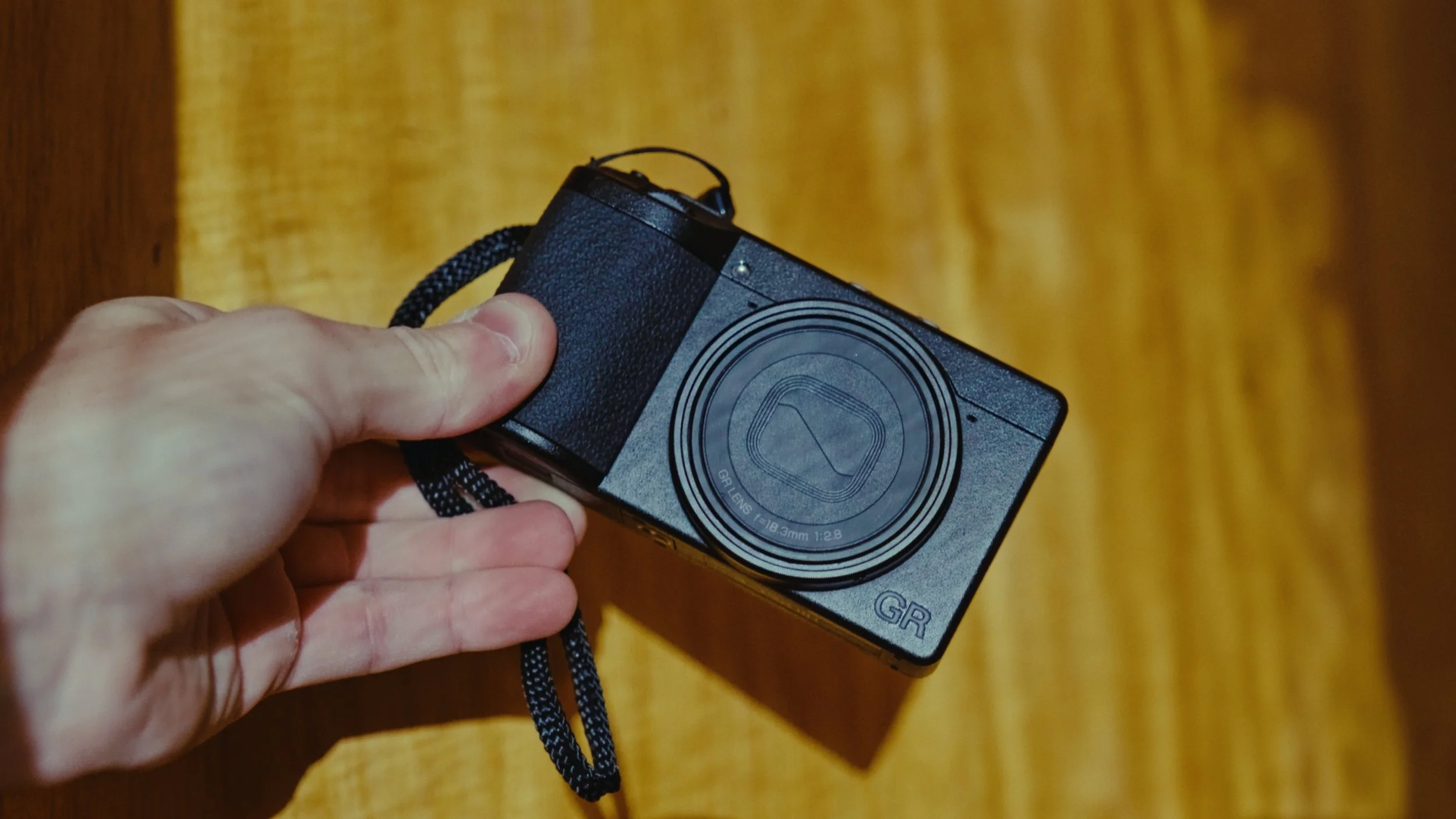
Am I going to keep this camera?
When I bought it, I was confident it could become my everyday carry for street photography. I have been searching for something fun, pocketable, and easy to bring everywhere, but still good enough that I can trust the results.
By most measures, the Ricoh GR IV meets that goal.
However, my background with other cameras and my shooting preferences have made it difficult to fully commit to it. The lack of a viewfinder makes it hard for me to connect with the camera, even if that sounds silly to some people. Of course, I bought this KNOWING it had no viewfinder… I just didn’t anticipate that being such a huge hurdle for me to get over.
You could argue that I have not used it long enough, and that maybe in six months I would feel differently. That might be true. I am just not sure I want to commit the time hoping that happens.
At this price point, I am not convinced the GR IV has a permanent place in my kit. Especially considering my shooting style and what I want my work to look like.
That said, the Ricoh GR IV is an impressive camera for its size. It is fun to use, highly capable, and performs well in most situations.
Whether it earns a long-term spot in my bag is still up in the air. Only time will tell.
Help support my work by exploring my products below!
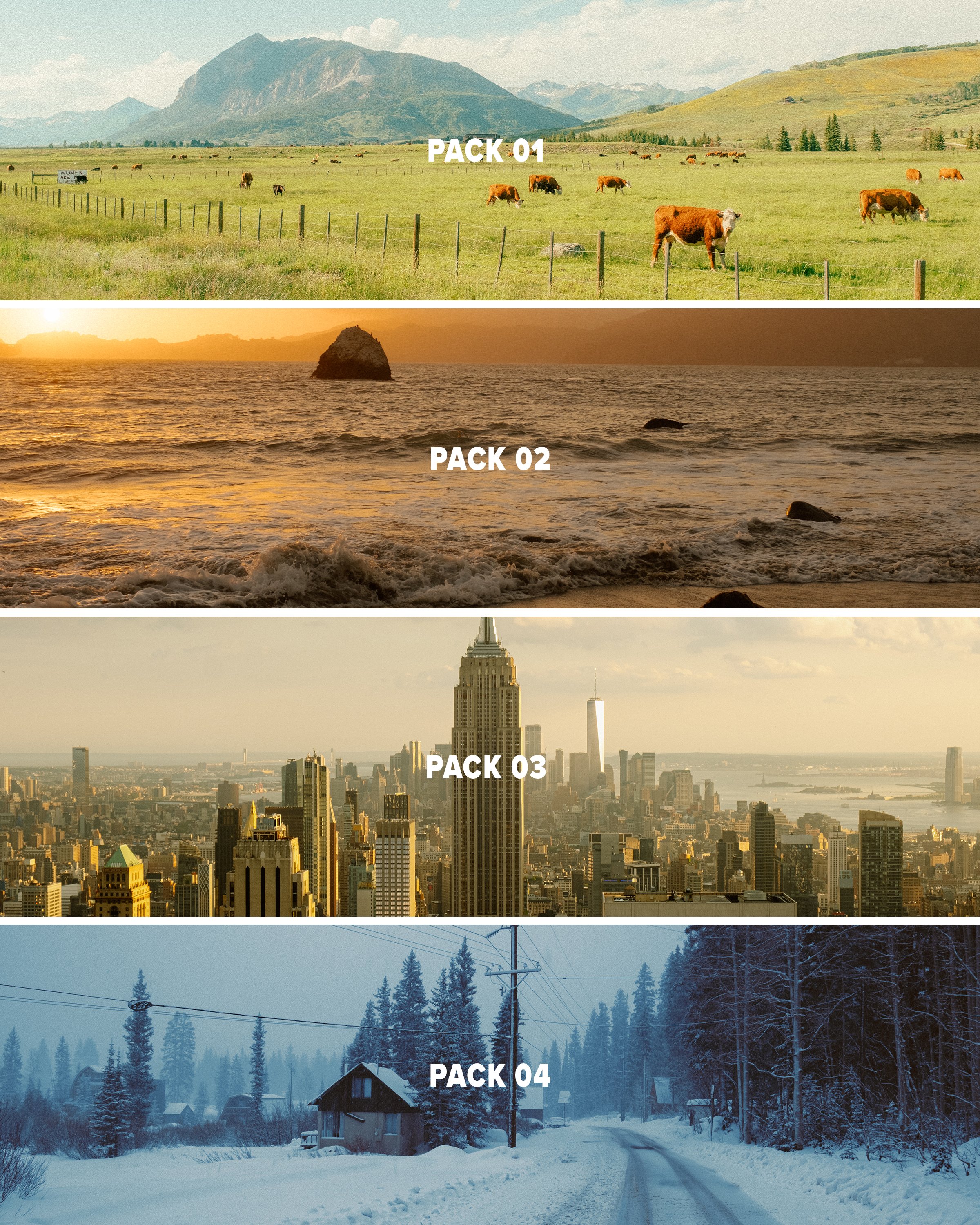
This pack provides 3 Lightroom presets inspired by film looks that should give you a solid base to work with in just a few clicks using Lightroom. This pack is the 4th and final installment of my ongoing “AV FILM SIMS” preset suite. The full suite (see bundle) includes this pack and the 3 others, giving you the base looks I use on almost all of my edits as scene on Instagram/Youtube, etc.
Each look is outlined below:
Winter - a cool blue preset created using heavy Color Tone Curve edits, inspired by winters spent in the Utah desert, but applicable to most moody, rainy, or winter scenes.
Wyoming - a clean, filmic day-light focused preset inspired by my travels to the Grand Tetons of Wyoming. Great for road trip scenes, landscapes, and mid-day photo walks.
Moab - inspired by kodak film-stocks, this preset is meant to create a soft, colorful and film-like look in one click. Inspired by some of my earliest visits to Moab, and specifically Arches, but I’ve been using it on a lot of NYC work as well!
Note: these are for DESKTOP. I use them on Lightroom Classic. These are NOT mobile presets. They do work in Lightroom Cloud via importing, and if applied to a DNG, they CAN work on Mobile, but they are not optimized for this purpose.
How to download & install:
Once you checkout from my site, you will be given access to the digital download.
Download & unzip the “zip” file.
Open LR -> File -> Import Develop Profiles and Presets.
Navigate to the unzipped folders and select them.
Click “Import.”
How to edit photos with this pack:
Ensure the image is properly exposed. Adjust the exposure slider (increase or decrease) until your exposure is even.
Explore the pack by highlighting each of the 3 looks - before clicking any, hover over each to see how they feel on your image. Click to apply the preset you like.
Make other adjustments as needed. If you have my other packs, try combining these looks with the tool kits from those! Experiment with making small slider adjustments to the tones, mess with color grading, but don’t go TOO far. Less is more with editing.
You’re done! Export & share.
Presets are non-refundable. Absolutely no re-selling under any circumstances.
Reminder: these are for LIGHTROOM CLASSIC. They are not optimized for mobile app.
When ordering, you’ll get a 24-hour download code. If you lose this code or forget to download, email me & I’ll get you another.
Be sure to sign up for my newsletter/updates with your email at checkout to receive discounts/free stuff in the future!
Not affiliated with or endorsed by any camera company.